
How Can Professional Event Planning and Coordination Transform Your Wedding Day Into an Unforgettable Celebration?
Understanding the Complexity of Wedding Planning and Why Professional Coordination Matters
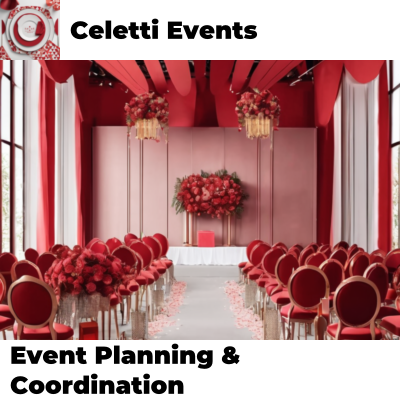
Planning a wedding involves juggling countless moving parts simultaneously. From venue selection to vendor management, timeline creation to budget allocation, the sheer volume of decisions can overwhelm even the most organized individuals. Many couples discover that attempting to coordinate everything themselves creates stress that overshadows the joy of engagement. The reality is straightforward: weddings demand expertise that extends far beyond Pinterest boards and wedding magazines.
Celetti Events brings Italian sophistication and meticulous attention to detail to the wedding planning process. Their approach recognizes that each celebration carries unique cultural nuances, personal preferences, and logistical requirements. Rather than applying a one-size-fits-all methodology, professional coordinators understand that your sister's intimate garden ceremony differs dramatically from your cousin's ballroom reception. This specialized knowledge transforms chaos into choreography.
The coordination process begins long before invitations arrive in mailboxes. Strategic planning encompasses:
- Initial consultation and vision clarification with couples
- Budget establishment and financial tracking throughout planning phases
- Timeline development with realistic milestones and deadlines
- Vendor research, interviewing, and final selection
- Contract review and negotiation for favorable terms
- Site walkthroughs and logistics mapping
- Day-of coordination and real-time problem solving
When professionals manage these elements, couples actually enjoy their engagement period. They attend events without obsessing over seating charts. They spend time with family without mentally reviewing vendor confirmations. Celetti Events handles the operational weight, allowing you to experience the emotional richness your engagement deserves.
The Hidden Costs of DIY Wedding Coordination
Many couples underestimate the financial implications of self-coordinating. Consider the expenses beyond the obvious: countless consultation calls with vendors cost time, but also mental energy. Miscommunications lead to corrections, revisions, and sometimes complete restarts—each requiring additional payments. A florist misunderstands your color palette. The caterer arrives with quantities calculated incorrectly. These scenarios waste money and create stress.
Professional coordinators prevent such expensive mistakes through:
- Detailed written specifications for every vendor
- Regular communication protocols ensuring clarity
- Contract language that protects your interests
- Established vendor relationships preventing misunderstandings
- Budget tracking that identifies overages immediately
Italian catering and event services like Celetti Events particularly excel at preventing food-related missteps. Culinary presentations require precise coordination between kitchen operations, serving staff, guest flow, and timing. A misaligned coordination means cold pasta, confused guests, and wasted ingredients. Professionals orchestrate this symphony so every course arrives at optimal temperature, properly plated, and synchronized with your event's rhythm.
How Professional Vendors Become a Cohesive Team Under Expert Coordination
Your wedding day requires approximately fifteen different vendors functioning as a unified team. Photographers, florists, musicians, caterers, lighting designers, rental companies—each operates independently in other contexts. Yet for your celebration, they must coordinate timing, positioning, access, and aesthetics flawlessly. This coordination rarely happens by accident.
Celetti Events acts as the central hub connecting all parties. Rather than couples playing telephone operator between vendors, coordinators facilitate vendor collaboration. They understand that the photographer needs the florist's timeline to position arrangements during optimal lighting. The caterer requires logistics from the rental company regarding table configurations. The musician needs sound check access from the venue coordinator.
Vendor Relationships and Industry Knowledge
Established event coordinators possess something DIY planners cannot easily replicate: relationships built over years. These connections mean:
- Preferred pricing rates not available to individual customers
- Flexibility during scheduling conflicts or emergencies
- Higher priority booking when vendors face competing requests
- Access to up-and-coming talent before they become prohibitively expensive
- Honest recommendations about vendor strengths and limitations
Celetti Events' Italian catering background particularly strengthens their vendor network. They work regularly with specific florists who understand how traditional Italian arrangements complement contemporary décor. They partner with rental companies familiar with Italian table settings and service styles. They coordinate with musicians experienced in both classical Italian compositions and modern selections. These refined relationships translate directly to superior execution on your wedding day.
The vendor coordination extends into technical realms many couples overlook. Power requirements for lighting and sound systems must be confirmed with venue electrical capacity. Delivery access requires coordination with building management or parking logistics. Setup timing prevents different vendors from competing for limited preparation space. Rain contingency plans demand communication between multiple parties simultaneously.
Professional coordinators anticipate these complications and establish protocols preventing conflicts. They create detailed timelines showing every vendor exactly when they access the venue, where they position equipment, and how their work integrates with surrounding activities.
Creating Realistic Timelines That Account for Real-World Complexity
Wedding planning timelines published online often undersell the genuine preparation required. A coordinator booking a venue, selecting catering, and arranging florals might take six months individually. Yet couples discover these elements interact. The venue's kitchen capacity limits catering options. The venue's natural light determines which florals photograph well. The catering service's staffing availability affects the timeline's flexibility.
Celetti Events develops timelines rooted in practical experience rather than idealistic projections. Their Italian catering expertise particularly informs realistic scheduling. Certain traditional pasta dishes require specific preparation methods. Fresh seafood has limited shelf life. Specialized Italian ingredients may require advance ordering. Rather than planning around what seems theoretically possible, coordinators plan around what actually works in professional kitchens.
Phase-Based Planning Approach
A structured timeline divides the planning process into manageable phases, each with specific objectives:
The Strategic Foundation Phase (9-12 months before)
- Define overall wedding vision and style preferences
- Establish budget parameters
- Create preliminary guest count estimates
- Identify venue preferences and availability
- Book primary venue and catering service
The Vendor Selection Phase (7-9 months before)
- Research and interview photographers, florists, musicians
- Compare proposals and finalize contracts
- Book additional vendors and confirm availability
- Establish payment schedules
- Create preliminary event day timeline
The Detail Development Phase (4-7 months before)
- Finalize menu selections and tasting appointments
- Order invitations and establish guest communication process
- Determine décor elements and table arrangements
- Plan ceremony specifics including music selections
- Schedule all final vendor consultations
The Refinement Phase (1-4 months before)
- Confirm all vendor details and specifications in writing
- Conduct venue walkthrough with key vendors
- Finalize guest count and dietary accommodations
- Arrange transportation and accommodation details
- Establish emergency communication protocols
The Final Preparation Phase (1-4 weeks before)
- Confirm delivery times and setup schedules
- Brief all vendors on final specifications
- Create day-of timeline for all parties
- Prepare seating arrangements and special arrangements
- Conduct final walk-throughs and contingency planning
This phased approach prevents bottlenecking where multiple major decisions compress into too short a timeframe. Professional coordinators space decisions strategically, allowing adequate research and reflection time while maintaining forward momentum.
Understanding Budget Management as a Core Coordination Competency
Money conversations often generate discomfort in wedding planning. Couples hesitate discussing budget constraints, fearing judgment or disappointment. Yet budgets fundamentally shape every decision. A coordinator who truly serves your interests addresses financial realities directly, honestly, and creatively.
Celetti Events operates with transparency regarding costs. Italian catering services carry specific price implications. Fresh imported ingredients cost more than domestic substitutes. Traditional preparation methods require skilled labor. Rather than hiding these realities, professional coordinators explain what drives pricing and help couples make informed choices about where to allocate limited resources.
Strategic Budget Allocation Across Wedding Elements
Most budgets distribute across several major categories. Understanding typical percentages helps identify where value concentrates:
- Venue and Catering (40-50% of total budget) - Often represents the largest expenditure
- Photography and Videography (12-15% of total budget) - Captures memories with lasting value
- Florals and Décor (8-12% of total budget) - Creates visual atmosphere and ambiance
- Music and Entertainment (5-10% of total budget) - Sets emotional tone throughout event
- Rentals and Linens (5-8% of total budget) - Provides tables, chairs, and supporting infrastructure
- Invitations and Paper Goods (2-4% of total budget) - Creates first impressions and communication
- Contingency and Miscellaneous (5-10% of total budget) - Covers unexpected expenses and adjustments
A skilled coordinator helps couples understand these categories, identify priorities, and allocate resources strategically. If your Italian heritage deeply matters, perhaps catering deserves a larger percentage. If capturing moments matters most, photography warrants premium investment. Professional guidance prevents regret when viewing final expenses.
The Critical Role of Day-Of Coordination in Executing Your Vision Flawlessly
The distinction between planning and coordination becomes most apparent on your wedding day. Months of preparation culminate in approximately twelve hours during which countless details demand simultaneous attention. The ceremony must start on schedule. Guests require efficient seating and service. Vendors need real-time guidance and problem-solving. Throughout it all, you should experience joy rather than stress.
This is where day-of coordination transforms theory into reality. Celetti Events arrives hours before guests, conducting final checks on every detail. Tables are arranged exactly as planned. Catering equipment functions properly. Lighting and sound systems operate flawlessly. Floral arrangements position themselves in predetermined locations. The coordinator becomes your invisible support system, managing logistics while remaining unobtrusive.
The Coordinator's Role During the Event Timeline
A professional coordinator manages multiple responsibilities simultaneously throughout your celebration:
- 60-90 minutes before ceremony: Final walkthroughs with all key vendors, confirming setup completion and addressing last-minute adjustments
- 30-45 minutes before ceremony: Guest arrival management, ensuring smooth seating flow and program distribution
- During ceremony: Monitoring timing, cueing musicians or readers, managing unexpected disruptions
- Transition period: Coordinating vendor movements between ceremony and reception spaces, resetting tables and preparing catering areas
- Reception service: Orchestrating meal timing, coordinating toasts and special moments, ensuring guest flow through food and beverage areas
- Evening transitions: Managing timeline adjustments, coordinating special dances or activities, facilitating vendor transitions
- Event conclusion: Coordinating vendor breakdown, securing personal items, ensuring proper venue restoration
This isn't merely presence; it's active management requiring extensive training and experience. When the florist's delivery arrives earlier than expected, the coordinator repositions arrangements appropriately. When a guest becomes intoxicated, the coordinator handles the situation discreetly. When the caterer encounters an unexpected dietary restriction, the coordinator arranges appropriate accommodations. These real-time decisions prevent cascading complications.
Managing Vendor Performance and Guest Experience
Professional coordinators possess authority and credibility with vendors that couples lack. If the catering service falls behind schedule, a coordinator's direct communication carries weight from years of working relationships. If the photographer misses a requested shot, the coordinator can advocate for your interests without the awkwardness of direct confrontation. This buffer protects your wedding experience from interpersonal friction.
Similarly, coordinators enhance guest experience through behind-the-scenes orchestration. Guests notice the seamless progression from ceremony to cocktails to dinner. They appreciate efficient buffet lines or smooth plated service. They enjoy the evening's flow without recognizing the invisible coordination making it possible. Professional event management creates the impression of effortless elegance—which requires extensive effort hidden from view.
Italian catering services particularly benefit from professional coordination. Traditional Italian dining emphasizes pacing and presentation. Multiple courses require timing coordination between kitchen and service staff. Wine pairings demand knowledge about guest preferences. Special preparations might include tableside finishing or interactive presentations. Coordinators ensure these culinary elements flow naturally within the evening's rhythm rather than feeling disjointed or rushed.
Navigating Vendor Selection and Contract Negotiation With Professional Guidance
The vendor selection process intimidates many couples. How do you evaluate photographer portfolios objectively? What questions distinguish excellent caterers from mediocre ones? Which florist understands your aesthetic vision? The volume of decisions combines with the financial stakes to create decision paralysis.
Celetti Events approaches vendor selection with systematic methodology. Rather than assuming all vendors in each category perform equivalently, coordinators conduct detailed assessments. They review portfolios critically, considering technical skill alongside aesthetic alignment. They request references and follow up with previous clients. They conduct in-person consultations observing professionalism, communication style, and genuine interest in your specific celebration.
Evaluating Photography and Videography Services
Photography represents a significant investment and creates permanent records of your day. A coordinator helps distinguish between photographers offering similar pricing but vastly different capabilities:
- Technical proficiency: Beyond pretty pictures, evaluating exposure control, color grading, and consistency across varied lighting conditions
- Compositional approach: Some photographers favor editorial styling while others embrace documentary realism; understanding which aligns with your preferences matters
- Equipment and backup systems: Professional photographers maintain equipment redundancy preventing technical failures from compromising coverage
- Experience with your venue: Familiarity with specific venues' lighting challenges and aesthetic characteristics informs better planning
- Communication and responsiveness: Vendors who answer questions promptly and address concerns seriously demonstrate professionalism extending beyond wedding day
A coordinator's network includes photographers they've observed performing under pressure. They know which ones consistently deliver excellent results. They understand each photographer's specialty—perhaps one excels at candid moments while another specializes in formal portraits. This knowledge prevents mismatched expectations where you hire someone talented but unsuited to your vision.
Contract Negotiation and Protection
Vendor contracts contain crucial details many couples overlook. Coordinators review these agreements protecting your interests:
- Deliverable specifications: Exact number of images, editing timeline, album options, digital file delivery
- Coverage duration: Precise start and end times, whether overtime carries additional costs
- Cancellation and postponement clauses: Protection for you and vendor regarding event changes or cancellations
- Payment schedules: Deposit amounts, remaining balance due dates, refund policies
- Liability and insurance: Clarifying responsibility if equipment damages or events prevent service delivery
- Exclusivity and usage rights: Whether you can hire supplementary photographers, whether vendor retains rights for portfolio use
These contractual details feel tedious during the excitement of planning. Yet they prevent expensive misunderstandings when problems arise. Professional coordinators negotiate thoughtfully, securing favorable terms while maintaining positive vendor relationships. They understand that overly aggressive contract language can damage vendor enthusiasm, so they balance protection with collaboration.
Evaluating Catering Services and Menu Development
Food quality fundamentally shapes wedding memories. Couples recall exceptional meals and regret inadequate ones decades later. Evaluating catering services requires beyond surface-level assessment:
- Culinary training and credentials: The executive chef's background influences the kitchen's capabilities and approach
- Ingredient sourcing practices: Whether vendors use fresh, seasonal ingredients versus prepared components
- Customization flexibility: How much menu adaptation accommodates dietary restrictions, cultural traditions, or personal preferences
- Service staff professionalism: Training, appearance, knowledge, and attentiveness during tastings predict event day performance
- Venue familiarity: Experience working in your specific venue prevents logistical surprises
- References from similar events: Speaking with previous clients about actual performance, not just promises
Celetti Events particularly excels at catering evaluation given their Italian culinary expertise. They understand pasta preparation methods, recognize quality ingredients, and appreciate traditional techniques. They can identify whether a caterer genuinely understands Italian cuisine or merely offers Italian-themed options. This distinction dramatically affects whether your celebration authentically reflects your heritage or produces superficial approximation.
Tasting appointments become crucial decision moments. A coordinator helps you evaluate tastings objectively, asking critical questions about preparation methods, ingredient quality, and presentation consistency. They note whether tasting samples represent standard service or special preparation. They assess whether portion sizes and plating match your preferences. They evaluate whether pricing reflects the quality level demonstrated.
Addressing the Emotional and Logistical Demands of Wedding Planning
Beyond mechanics and timelines, wedding planning involves significant emotional dimensions. Couples navigate family dynamics, personal preferences, and competing visions simultaneously. Parents offer suggestions. Friends provide unsolicited advice. Pinterest creates unrealistic expectations. Throughout this complexity, couples desire to feel supported rather than judged.
Professional coordinators provide emotional support grounded in experience. They've witnessed countless wedding planning journeys and understand common anxieties. When couples worry about guest comfort, coordinators explain how venue setup and catering logistics ensure satisfaction. When concerns arise about timeline feasibility, coordinators demonstrate how phased planning creates manageable steps. When stress peaks during difficult vendor decisions, coordinators provide perspective distinguishing necessary concerns from manageable anxiety.
Managing Family Dynamics and Competing Preferences
Weddings involve stakeholders beyond the couple themselves. Parents often contribute financially, creating assumptions about decision-making authority. Extended family members invest emotionally in celebrations. Cultural traditions carry expectations spanning generations. Navigating these relationships requires diplomacy that coordinators have refined through experience.
Professional coordinators help couples articulate their vision while honoring family contributions. They facilitate conversations where parents understand their input is valued while final decisions rest with the couple. They explain how certain traditions integrate into modern celebrations. They help families understand that compromises sometimes involve respectful decline rather than accommodation of every suggestion.
This diplomatic role particularly matters when cultural or religious traditions carry deep significance. Celetti Events' Italian catering background means understanding how traditional Italian celebrations integrate into contemporary weddings. Rather than dismissing heritage elements as outdated or forcing authenticity that feels inauthentic to the couple, coordinators help create celebrations honoring both tradition and personal identity.