
How Can Professional Corporate Events Planning Services Transform Your Business Gatherings into Memorable Experiences?
The Critical Importance of Strategic Corporate Event Planning
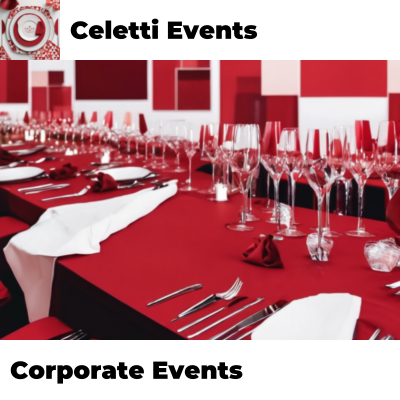
Corporate events represent far more than simple gatherings. They constitute strategic investments that directly impact company culture, client relationships, and brand perception. When organizations fail to properly plan these occasions, the consequences ripple through their professional networks—missed networking opportunities, poorly executed presentations, and disappointed attendees create lasting negative impressions that prove difficult to reverse.
The difference between a mediocre corporate function and an exceptional one often hinges on meticulous planning, attention to detail, and the expertise required to orchestrate complex logistics. Professional event planners understand the multifaceted components that transform a basic meeting space into an engaging environment where meaningful business connections flourish. They recognize that successful corporate events demand careful consideration of venue selection, catering quality, timing, technological integration, and the subtle psychological elements that influence attendee satisfaction.
Celetti Events, operating from 123 Main St, Local City, CA 90210, brings specialized expertise in Italian catering and event services that elevates corporate gatherings beyond standard expectations. Their comprehensive understanding of how food, ambiance, and professional execution combine to create outstanding experiences sets them apart in the competitive event planning landscape.
Why Corporate Events Demand Professional Expertise
Organizations frequently underestimate the complexity required to execute successful corporate functions. Many companies attempt to manage events internally, diverting attention from core business operations while producing substandard results. Experienced event planners possess knowledge acquired through countless successful events—they understand vendor relationships, venue capabilities, timing constraints, and recovery strategies when unexpected challenges arise.
The coordination required extends far beyond surface-level considerations. Professional planners manage detailed timelines, budget allocations, vendor communications, technical requirements, guest accommodations, dietary restrictions, parking logistics, and contingency plans simultaneously. This multidimensional approach prevents the chaos that emerges when internal staff attempt to juggle their regular responsibilities alongside event management.
Comprehensive Catering Solutions That Reflect Your Brand Identity
Culinary excellence forms the foundation of memorable corporate events. The food served communicates volumes about your organization's values, attention to detail, and respect for attendees' time and experience. Exceptional catering transcends basic sustenance—it becomes an extension of your corporate brand and a significant factor in how guests remember your event.
Celetti Events specializes in Italian catering, an approach that brings sophistication and distinct character to corporate gatherings. Italian cuisine inherently conveys elegance, warmth, and a commitment to quality ingredients and preparation methods. This culinary tradition creates an atmosphere that encourages conversation, relationship building, and positive brand association.
Tailored Menu Development for Diverse Corporate Settings
Different corporate events demand distinctly different culinary approaches. A formal client presentation requires different menu considerations than a team celebration or company milestone recognition event. Professional caterers understand these nuanced requirements and develop menus strategically designed for specific event objectives.
The menu development process should consider:
- Event duration and timing (breakfast, lunch, dinner, or cocktail reception)
- Guest count and dietary restrictions (vegetarian, vegan, gluten-free, religious requirements)
- Corporate image and desired atmosphere
- Season and ingredient availability
- Budget parameters and cost-per-person targets
- Ease of consumption during networking or presentations
- Temperature maintenance and food safety protocols
Italian cuisine offers remarkable versatility within this framework. Antipasti selections accommodate diverse preferences while encouraging mingling. Pasta courses can be customized for dietary requirements. Seasonal proteins prepared with Italian techniques showcase quality and preparation expertise. Dessert selections ranging from traditional tiramisu to contemporary gelato presentations conclude meals memorably.
The Psychology of Food Presentation and Guest Satisfaction
Scientific research demonstrates that food presentation directly influences taste perception and guest satisfaction. Professional catering services understand these psychological principles and apply them systematically. Properly plated dishes, thoughtful garnishes, and strategic arrangement of serving stations all contribute to guests' overall experience and perception of event quality.
Celetti Events' Italian catering approach embraces traditional presentation standards—elegant simplicity that highlights ingredient quality rather than excessive ornamentation. This philosophy resonates strongly with corporate audiences who appreciate craftsmanship and authenticity over trendy pretension.
Venue Selection and Spatial Design Considerations
The physical environment profoundly influences event success. Even exceptional catering delivered in poorly chosen venues fails to achieve its full potential. Professional event planners conduct thorough venue assessments, evaluating not merely aesthetic appeal but practical functionality for specific corporate objectives.
Critical Venue Assessment Factors
Selecting appropriate venues requires systematic evaluation across multiple dimensions. Experienced planners examine:
- Capacity and layout flexibility: Whether the space accommodates your expected guest count while allowing table arrangements that support your event's purpose
- Acoustic properties: Sound quality affects whether attendees can hear presentations, speeches, and each other during conversations
- Lighting capabilities: Natural and artificial lighting options influence atmosphere and mood throughout the event
- Climate control: Temperature management proves particularly important for multi-hour events where comfort directly impacts attendee engagement
- Accessibility features: ADA compliance and practical accessibility considerations ensure all guests can participate fully
- Parking and arrival logistics: First impressions begin before guests enter the venue
- Catering kitchen facilities: Whether the venue provides adequate space and equipment for professional food preparation and serving
- Technology infrastructure: WiFi reliability, power availability, and technical support capabilities
Italian-themed venues offer particular advantages for corporate events utilizing Celetti Events' catering services. The aesthetic alignment between Italian culinary traditions and appropriately selected venue design creates cohesive experiences where every element reinforces your event's overall impact.
Logistical Coordination and Timeline Management
The temporal dimension of event planning separates amateur efforts from professional execution. Successful corporate events follow carefully orchestrated schedules where every component synchronizes with precision. Delays cascade unpredictably—late catering disrupts presentation timing, compressed timelines increase staff stress, and schedule pressure inevitably diminishes service quality.
Professional event planners develop detailed rundown sheets specifying exact timing for every activity. Guest arrival windows, welcome remarks, presentation segments, meal service, networking periods, and departures all receive precise time allocations. These schedules remain flexible enough to accommodate unexpected changes while maintaining overall flow.
Pre-Event Planning and Vendor Coordination
Months before your corporate event, planning begins in earnest. Professional planners establish vendor relationships, verify service capabilities, confirm availability, and negotiate contracts. This advance work prevents last-minute scrambling and ensures all service providers understand their specific responsibilities.
Planning timelines typically follow this structure:
- Four to six months prior: Venue selection and confirmation, budget finalization, initial vendor outreach
- Three months prior: Catering menu selection and tasting, audio-visual requirements confirmation, invitation preparation
- Six weeks prior: Guest list finalization, dietary restriction collection, detailed run-of-show development
- Four weeks prior: Final vendor confirmations, contingency planning, staff briefing
- Two weeks prior: Final headcount confirmation, last-minute requirement adjustments
- One week prior: Detailed event day preparation, staff assignments, emergency contact verification
- Event day: Systematic execution according to established plans
This structured approach prevents the chaos that emerges when planning begins too late or proceeds haphazardly. Each phase builds upon previous work, creating efficiency and reducing last-minute complications.
Day-of Coordination and Real-Time Problem Solving
Despite meticulous planning, unexpected situations inevitably arise during corporate events. A speaker arrives late. A technical component malfunctions. Weather impacts outdoor venue elements. Professional event coordinators possess the experience and composure required to address these issues seamlessly, ensuring guests remain unaware of complications.
This adaptive expertise develops through exposure to diverse situations and proven problem-solving frameworks. Experienced coordinators maintain backup plans, vendor contacts, and creative solutions readily available for deployment when needed.
Technical Integration and Modern Event Enhancement
Contemporary corporate events increasingly incorporate technological elements that enhance engagement, facilitate networking, and create professional impressions. Successful integration requires technical expertise that extends beyond simply hiring audio-visual companies—it demands strategic thinking about how technology serves your event's specific objectives.
Audio-Visual Requirements and Presentation Support
Most corporate events involve presentations, speeches, or multimedia components that demand reliable technical infrastructure. Poor audio quality undermines even eloquent speakers. Inadequate lighting obscures presentations. Unreliable WiFi creates frustration during live demonstrations or interactive segments.
Professional event planners work with experienced technical providers to ensure:
- Sound system adequacy: Microphone types and placement appropriate for your venue's acoustics
- Projection and display capabilities: High-resolution screens positioned for optimal viewing from all guest locations
- Lighting design: Atmospheric elements that support your event's mood while maintaining functional visibility
- Network connectivity: Robust WiFi infrastructure capable of supporting attendee device usage
- Live streaming or recording capabilities: Technical setup if your event requires remote participation or archival purposes
- Backup systems: Redundant equipment ensuring service continuation if primary systems fail
Italian-themed corporate events benefit from thoughtful technical integration that remains subtle and unobtrusive. Rather than overwhelming attendees with flashy effects, professional coordination weaves technological elements seamlessly into the overall experience, supporting rather than distracting from genuine human connection and professional discussion.
Event App Integration and Attendee Engagement Tools
Modern corporate events increasingly utilize dedicated event applications that enhance attendee experience through schedule information, attendee networking features, speaker bios, and interactive polling. These tools generate valuable data about guest engagement while facilitating the networking objectives many corporate events prioritize.
Experienced event planners understand how to implement these technologies effectively—selecting appropriate platforms, designing intuitive interfaces, and promoting adoption among attendees. When properly executed, event apps become valuable tools that guests reference throughout the function, extending engagement beyond the physical event duration.
Creating Networking Opportunities and Relationship Building Environments
Corporate events frequently serve relationship-building objectives that extend far beyond information sharing. Executives seek opportunities to strengthen client relationships. Teams benefit from informal bonding that improves workplace cohesion. Business development professionals leverage events to generate leads and deepen connections with prospects.
Professional event planning strategically designs environments and structures that facilitate these networking objectives rather than leaving relationship building to chance.
Spatial Arrangement and Social Flow Design
The physical layout directly influences networking effectiveness. Cramped spaces where guests stand shoulder-to-shoulder inhibit comfortable conversation. Excessively large venues with scattered furniture create isolation rather than connection. Professional planners design spatial arrangements that encourage movement, conversation, and natural congregation.
Strategic considerations include:
- Standing room ratios: Appropriate space allocation for comfortable mingling without overcrowding
- High-top table placement: Strategic positioning of standing-height tables that facilitate group conversations
- Bar and beverage station locations: Placement that encourages movement throughout the venue rather than clustering
- Seating arrangements for formal meals: Table configurations that balance assigned seating with networking flexibility
- Lounge areas: Comfortable zones for smaller group conversations away from main event spaces
- Natural traffic flow: Venue layout that guides guests through different areas, maximizing exposure and networking opportunities
Italian catering services enhance these networking environments naturally. The communal aspects of Italian dining traditions—shared antipasti platters, family-style pasta service, passed hors d'oeuvres—inherently encourage conversation and relationship building. Food becomes a social lubricant that facilitates the informal interactions where genuine business relationships develop.
Structured Networking Formats and Facilitation
While environmental design supports networking, structured formats often prove more effective for intentional relationship building. Professional event planners understand various networking approaches and select those appropriate for your specific objectives.
Common structured networking approaches include:
- Speed networking sessions: Timed interactions between paired attendees, similar to speed dating but focused on professional connection
- Structured introductions: Organized introduction sessions between key attendees identified in advance
- Topic-based breakout groups: Themed discussion areas where attendees with shared interests congregate
- Facilitated panel discussions: Expert discussions that generate conversation topics and connection opportunities
- Volunteer recognition or awards: Structured recognition that celebrates achievements and builds team connection
- Interactive workshops or demonstrations: Hands-on activities that create shared experiences and natural conversation starters
These structured approaches prove particularly valuable for large corporate events where organic networking might not occur naturally. Professional planners recognize when to implement structure and when to allow organic interaction to flourish.
Budget Management and Cost Optimization Strategies
Corporate events represent significant budget expenditures, and executives rightfully expect transparent cost management and value demonstration. Professional event planning delivers both through systematic budgeting, vendor negotiation, and strategic cost allocation.
Transparent Budget Development and Cost Categories
Comprehensive event budgets systematically categorize all anticipated expenses, creating visibility into where resources are allocated. This transparency proves essential for executive approval and post-event evaluation of return on investment.
Typical budget categories include:
- Venue rental: Fixed costs for space and basic facilities
- Catering and beverages: Per-person food costs plus service staffing
- Audio-visual and technical services: Equipment rental, technical support, and operator fees
- Décor and floral arrangements: Theming elements and aesthetic enhancements
- Staffing and coordination: Professional event planning fees and day-of coordination
- Invitations and printed materials: Design, printing, and distribution costs
- Entertainment or speakers: Performance fees or honorariums
- Transportation and logistics: Guest arrival/departure coordination
- Insurance and permits: Event liability coverage and necessary regulatory compliance
- Contingency allocation: Reserve funds for unexpected expenses (typically 10-15% of total budget)
Italian catering services from Celetti Events typically represent significant budget percentages, and experienced planners ensure these expenditures deliver exceptional value. Quality catering creates disproportionate impact on guest satisfaction relative to cost—attendees remember impressive meals and excellent service far more vividly than equivalent spending on less visible elements.
Vendor Negotiation and Strategic Partnerships
Professional event planners leverage ongoing vendor relationships to secure favorable pricing without compromising quality. Long-standing partnerships with caterers, venues, and service providers yield better rates than one-off negotiations by internal staff unfamiliar with market standards.
Strategic vendor partnerships offer benefits beyond simple price reduction:
- Volume discounts: Cumulative spending across multiple events generates better pricing
- Service flexibility: Established vendors accommodate special requests more readily
- Quality consistency: Known vendors deliver predictable results rather than surprises
- Problem-solving collaboration: Trusted partners proactively address complications rather than merely fulfilling minimal contract obligations
- Referral reliability: Vendor recommendations prove more trustworthy than selecting unknown providers
Celetti Events benefits from these partnership dynamics when corporate clients engage professional planners. Long-standing relationships with other local vendors create coordinated, seamless experiences where every element works in harmony.
Brand Representation and Corporate Culture Reflection
Corporate events communicate powerful messages about organizational values, culture, and professionalism. Executives who view events primarily as expenses miss the strategic opportunity they represent—events function as brand ambassadors that influence how clients, employees, and partners perceive your organization.
Aligning Event Design with Corporate Identity
Professional event planning ensures every element—from invitation design through final guest departure—reflects your corporate brand authentically. This alignment proves particularly important for client-facing events where external perception matters significantly.
Brand alignment considerations encompass:
- Visual identity consistency: Color schemes, logos, and design elements matching corporate standards
- Tone and atmosphere: Event personality reflecting organizational culture
- Service standards: Catering quality and staff professionalism demonstrating your commitment to excellence
- Attention to detail: Thoughtful touches that signal organizational competence
- Values reflection: Event choices demonstrating corporate priorities (sustainability, diversity, innovation, etc.)
- Guest experience quality: Service standards that mirror how your organization treats clients and partners
Italian catering and event services from Celetti Events inherently convey sophistication, quality craftsmanship, and attention to detail. These associations align naturally with corporate brands seeking to project excellence and professional competence.
Internal Culture Building Through Employee Engagement
Corporate events serving internal audiences—team celebrations, company milestones, employee recognition—directly impact workplace culture and retention. Employees remember how organizations celebrate them. Meaningful recognition experiences strengthen loyalty and engagement far more effectively than standard corporate communications.
Professional event planners understand how to design employee-focused events that genuinely celebrate accomplishments while building team cohesion. Italian catering and communal dining formats particularly support these culture-building objectives through the inherent warmth and inclusivity associated with Italian hospitality traditions.
Events celebrating employees create lasting impressions that influence organizational loyalty. Employees who feel genuinely valued through thoughtful event experiences demonstrate higher engagement, reduced turnover, and increased advocacy for their employers.